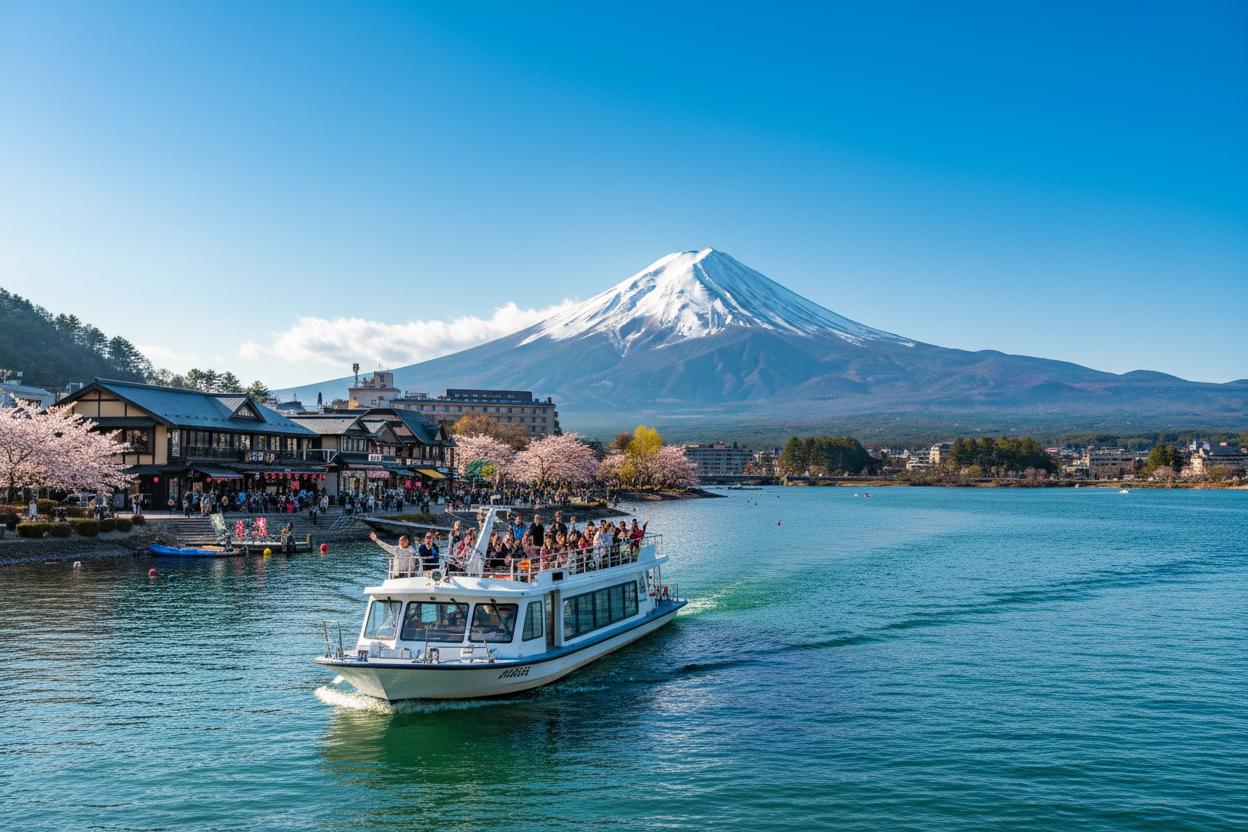
The Fuji Five Lakes Region
Everyone's heard of Mount Fuji. It's on postcards, it's on passports, it's on that one episode of every travel show where someone tries to climb it in plastic sandals and regrets every life decision that brought them to this point. But here's what the postcards don't show you: the five lakes that sit at Fuji's northern base are where the real magic happens. Lake Kawaguchi, Lake Saiko, Lake Yamanaka, Lake Shoji, and Lake Motosu. Each one has a personality. Each one has a reason to visit. And none of them require you to wake up at midnight to stand in a conga line of headlamps on a volcanic slope.
We've spent collectively four years exploring these lakes. Jake's camped at all five, including the night his tent collapsed at 2am at Lake Motosu because he didn't stake the corners properly. The wind at the base of a 3,776-meter volcano is real. He slept in the car. Yuki grew up in Kawaguchiko and knows every back road, every seasonal bus schedule change, every spot where the Fuji view disappears behind a cloud bank that seems to materialize out of nowhere. Priya drives up from Tokyo at midnight just to shoot the Milky Way over Motosu at 2am. We're not influencers. We're people who can't stop going back.
This guide exists because we got tired of watching unprepared tourists struggle. The ones who show up at Kawaguchiko Station in August expecting a quiet nature experience and finding themselves in a theme park. The ones who book a mountain hut thinking it'll be like a cozy alpine lodge. The ones who don't know that Lake Motosu has no convenience store for 15 kilometers. We can't fix the crowds. But we can tell you where to go to avoid them.
Why the Lakes Beat the Summit
Let's get this out of the way: climbing Mount Fuji is overrated. There, we said it. And we're not just being contrarian. Jake climbed it three times before he realized the view from the lakes is better than the view from the top. Here's why.
From the summit, you can't see Fuji. You're standing on it. What you see is a volcanic crater, a couple of shrines, vending machines, and a two-hour queue for the photo spot. The actual view of the mountain — the perfect cone, the snow cap, the way it dominates the landscape — that's what you came for, and you can't see it from up there. It's like standing inside a painting and trying to appreciate the composition.
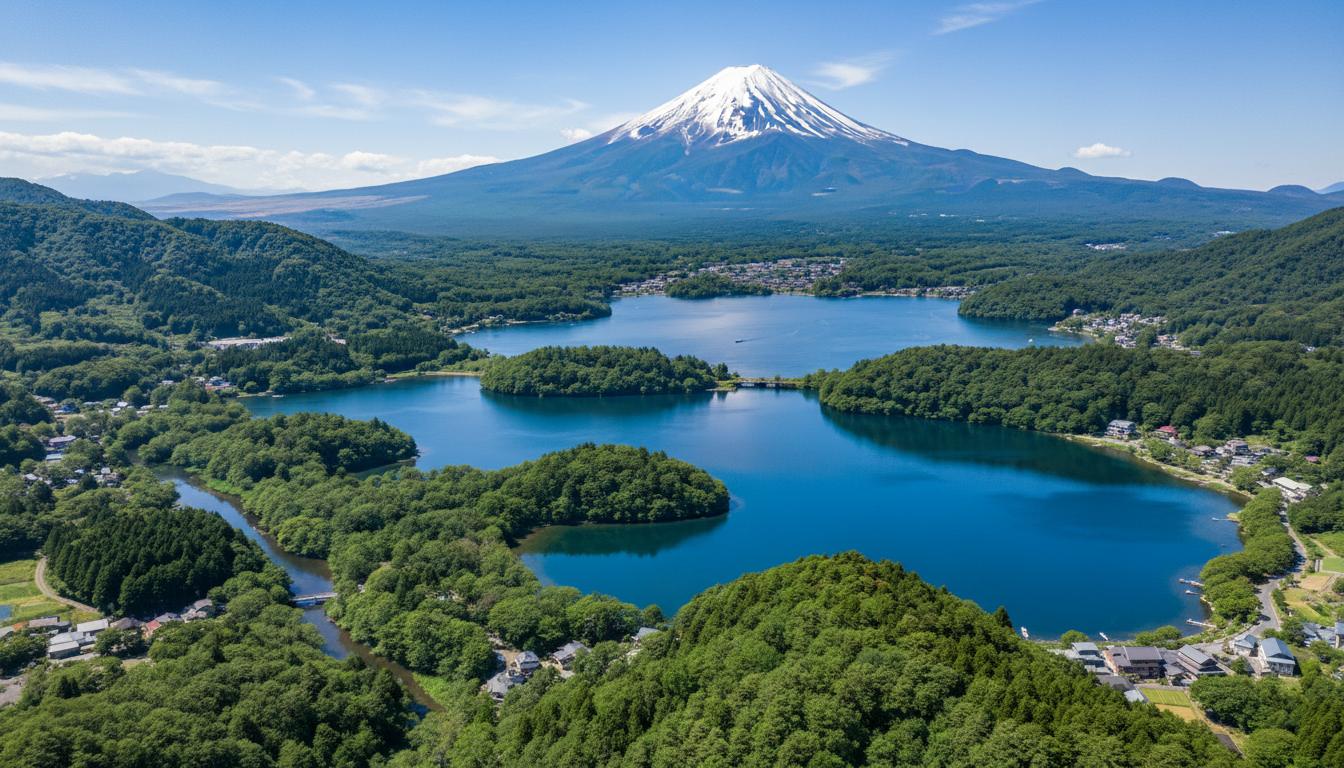
From the lakes, though? From Lake Kawaguchi at dawn, when the water is perfectly still and the mountain reflects like a mirror? From Lake Shoji at golden hour, when the fishing boats line up in the foreground and Fuji glows pink? From Lake Motosu at 3am, when the Milky Way arches directly over the summit and there's not a single other person for kilometers? That's the view. That's why you came to Japan.
And the best part: you don't need to train for it. You don't need altitude medication. You don't need to book a hut six months in advance. You just need to get yourself to Kawaguchiko Station and figure out which lake matches your vibe.
What This Guide Covers
We've broken down everything you need to know to plan a trip to the Fuji Five Lakes region. Not just the postcard stuff. The practical, real-world details that determine whether your trip is the highlight of your year or a frustrating exercise in wishing you'd researched more.
The Five Lakes Breakdown covers each lake individually — what makes it different, how to get there, what facilities exist, and who it's best for. Lake Kawaguchi is the obvious choice for first-timers but might disappoint if you're seeking solitude. Lake Motosu is where you go when you want to feel like you're the last person on Earth, but you need a car and you need to bring everything with you because there's nothing there.
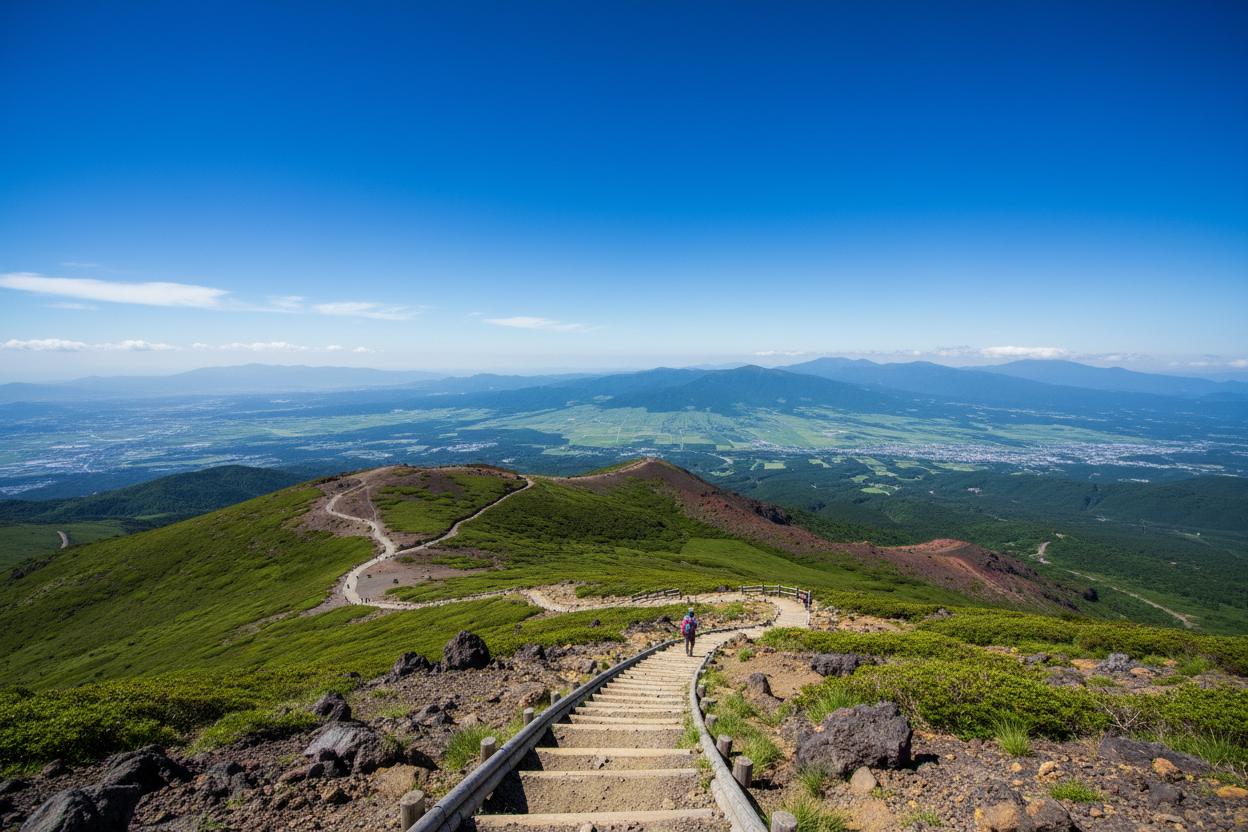
Climbing Fuji is our honest take on what the ascent actually involves. The altitude sickness that affects more than 30% of climbers above Station 8. The "bullet climb" that sounds hardcore but mostly just means you're exhausted and nauseous for the final push. The descent on volcanic scree that destroys knees. And the free, crowd-free alternative: hiking the Yoshida Trail to Station 5 during the day.
Onsen by the Lakes details six hot spring spots where you can soak with a view of the mountain. From Yurari's rooftop bath at ¥1,300 to the free foot baths at Saiko Iyashi no Sato. Including tattoo policies (mostly relaxed in this region, which is refreshing) and what to bring to avoid the ¥200 towel rental fee.
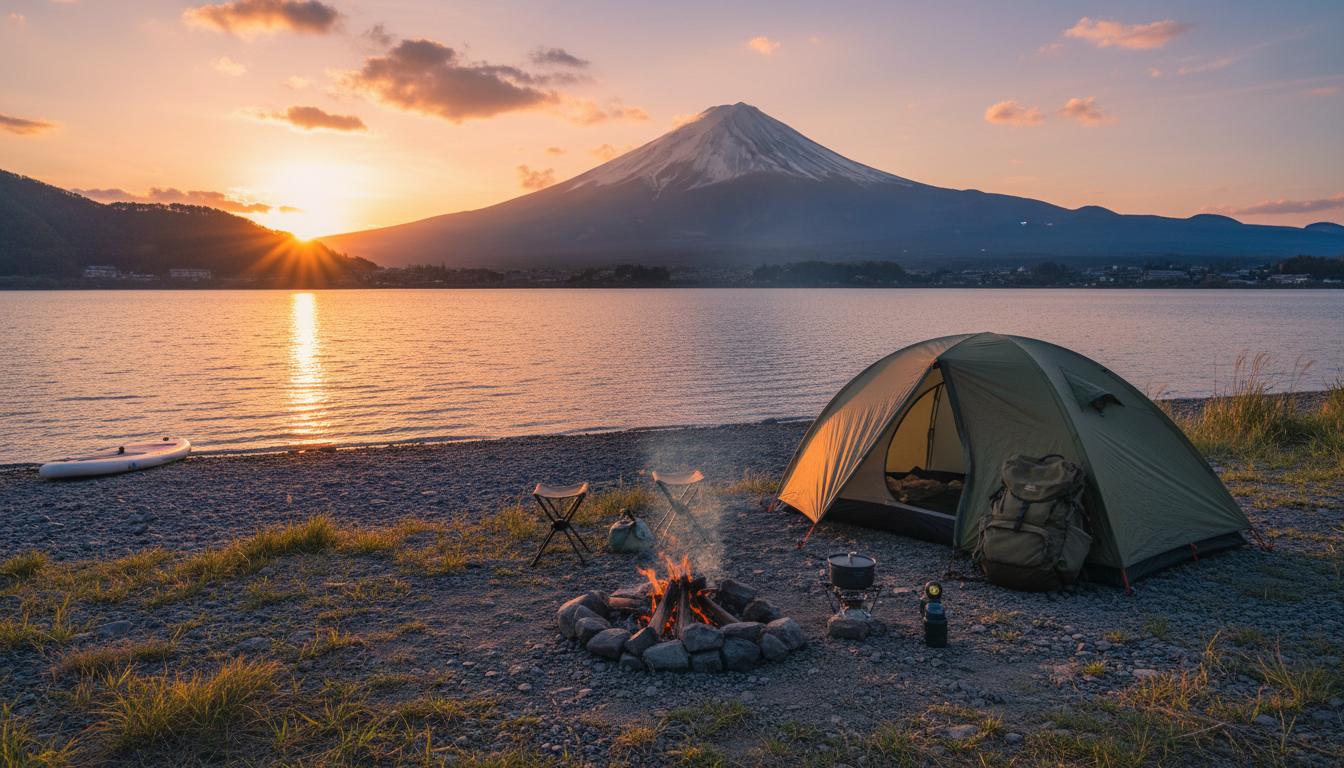
Camping Under a Volcano is the practical guide to sleeping outside in this region. Campground prices, booking procedures (most require a Japanese phone number or in-person reservation), what to pack for nights that get cold even in August, and the bear bells that you'll hear jingling on every trail. We've camped at all of them. We know which showers are hot and which ones are technically lukewarm.